
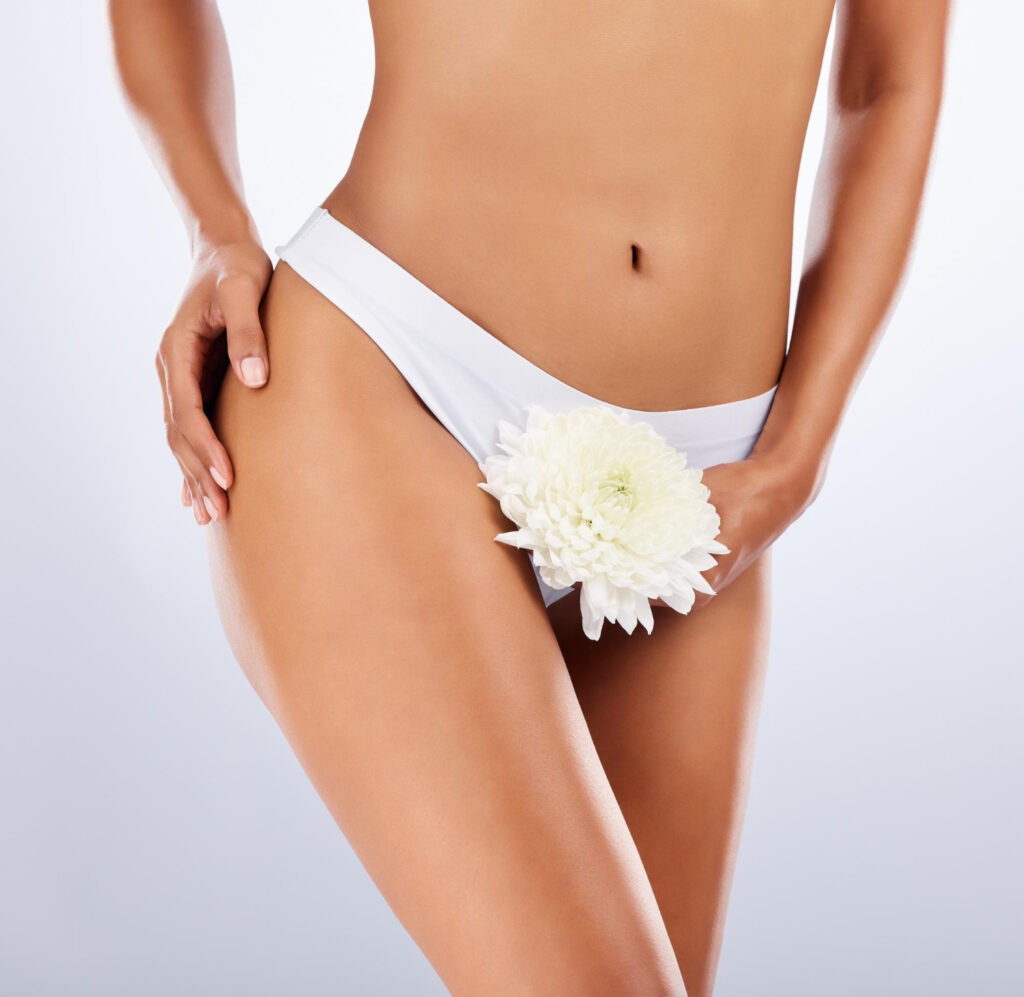
After labiaplasty in Dubai, many women are naturally nervous and eager to resume their normal daily activities with a new and better appearance. To lower the risk of problems and guarantee the most comfortable and effective healing process, there are some activities that should be avoided during labiaplasty recovery. We have provided useful information below to assist you in better understanding what to do and what not to do during labiaplasty recovery Dubai.
What does labiaplasty do?
Labiaplasty is a procedure used to enhance the appearance and function of the labia minora. Labia minora hypertrophy (LMH), or elongated, dangling, stretched, or enlarged labia, is typically treated with labiaplasty surgery as a result of aging or pregnancy/childbirth. However, women with naturally asymmetrical, malformed, or injured labia may also benefit from labiaplasty surgery in Dubai. For women, all of these anomalies can be both aesthetically and practically bothersome. The following are some of the most prevalent worries and problems that labiaplasty surgery can address:
- Elongated labia
- Hanging labia
- Asymmetrical labia
- Labia damage
- Abnormally shaped labia
- Pain during sexual activity
- Uncomfortable sitting or wearing clothes that are too tight
- Being self-conscious about how your labia look in swimwear or leggings
- Recurring infections
How Does Labiaplasty Work?
The surgical procedure for labiaplasty might differ somewhat depending on the patient’s anatomy, unique concerns, and intended goal. The best labiaplasty doctor in Dubai at Gyneco Clinic ensures that each procedure is tailored for natural-looking results. A section of skin is often removed from each labia minora during labiaplasty surgery, while preserving the natural edge as much as possible.
Sutures are positioned such that they are barely noticeable, if at all, inside the body’s natural creases and wrinkles. Additionally, because the clitoris is not involved or affected during the procedure, patients may be confident that labiaplasty will not impact their sexual experiences or sensitivity.
Are There Any Things I Can’t Do After A Labiaplasty?
It goes without saying that labiaplasty surgery is done on one of the most delicate and sensitive parts of a woman’s anatomy. For this reason, appropriate labiaplasty aftercare is essential to guaranteeing a comfortable recuperation, effective healing, and the best possible result. After vaginal rejuvenation Dubai, some of the most crucial dos and don’ts are as follows:
- Make sure you get enough sleep.
- Apply a cold compress for no longer than 15 minutes at a time.
- Keep the area dry and clean.
- Always take prescription medications as prescribed.
- Avoid having sex.
- Avoid exercising
- Avoid doing vigorous physical activity or heavy lifting.
- Avoid smoking
- Avoid consuming alcohol.
- Avoid bathing, swimming, or submerging the labia in any other way.
After labiaplasty surgery, most women feel comfortable enough to resume work and mild activities about a week later. However, strenuous exercise, intercourse, and other habits should be avoided for at least four to six weeks, or until your surgeon gives the all-clear. Even though it can seem like a long time to wait, starting these activities too soon might cause difficulties and slow healing. The wait for a more feminine appearance, more self-confidence, and improved sexual experience is seen to be well worth it with appropriate labiaplasty aftercare.
Be the sexiest version of yourself with labia rejuvenation surgery in Dubai
Every woman should be proud of her features, especially the ones that are mostly hidden. We can assist you if your daily life is being hampered by lengthy, dangling, or asymmetric labia. Contact us to arrange your one-on-one appointment with the best labiaplasty clinic Dubai, Gyneco Clinic, and learn more about the transformative advantages of labiaplasty surgery.
FAQs
When Can Normal Daily Activities Be Resumed?
Most individuals can return to routine, non-strenuous activities within a few days to a week after the procedure. However, for a few weeks, one should refrain from engaging in any activities that put pressure or tension on the treated region. A gradual return to regular life reduces the likelihood of discomfort or problems and guarantees appropriate recovery.
Is The Procedure Safe For Sensitive Areas?
Yes, the procedure is designed specifically for delicate anatomy and is performed with precision and care. Skilled experts employ cutting-edge methods to guarantee safety and minimize risks. Adhering to appropriate aftercare protocols improves safety even further, resulting in a seamless and comfortable treatment experience for patients.
Will There Be Noticeable Scarring After Healing?
Scarring is usually minimal and well-concealed within the natural folds of the skin. Any markings have a tendency to disappear considerably with time and become hardly detectable. In addition to promoting recovery, proper aftercare—which includes maintaining hygiene and minimizing strain—guarantees that the results will appear natural and aesthetically pleasing.
Can This Procedure Improve Physical Comfort?
Yes, many individuals experience improved comfort after the procedure, especially if they previously had irritation, discomfort during movement, or difficulty wearing certain clothing. Walking and exercising are made considerably simpler by the treatment, which reduces friction and improves general everyday comfort by correcting structural issues.
How Should Hygiene Be Maintained During Recovery?
Maintaining cleanliness is essential during recovery. As instructed by your professional, the area should be kept dry and cleansed carefully. Steer clear of soaking in water for long periods of time or utilizing harsh products. Adhering to basic cleanliness measures promotes uncomplicated recovery and helps prevent infections.
Is There Any Impact On Sensitivity Or Function?
The procedure is carefully performed to preserve natural sensitivity and function. Most people do not experience negative changes, as the key anatomical structures remain unaffected. In fact, some people could feel more at ease and self-assured thereafter, which can positively impact their overall well-being and quality of life.