
Labia Majora Reduction Dubai procedures are designed to address concerns involving the outer labia, while labia minora procedures focus on the inner folds. Knowing the difference between labia majora and minora is essential to understanding vulvar anatomy and possible surgical procedures. This article explains their distinct functions, anatomical variations, and the particular issues procedures like labiaplasty address. Readers will discover the practical and cosmetic reasons for people’s consideration of labia majora deflation or augmentation or labia minora hypertrophy reduction. It describes how different surgical methods, such as fat grafting to the labia majora, are customized to the patient’s anatomy for the best outcomes.
Labia Majora vs. Labia Minora: Understanding Key Anatomical Differences
The position, content, and function of the labia majora and minora are the main anatomical differences between them. After puberty, pubic hair usually covers the labia majora, which are the outer, fleshier folds of tissue that contain sweat glands and fatty tissue. The inner, hairless skin folds that encircle the urethral and vaginal openings are called labia minora.
The Distinct Roles of Outer and Inner Labia
The inner genital organs are shielded by the labia majora. They are protected against impact by their fatty tissue. The delicate, erectile tissue that makes up the labia minora is rich in blood vessels and nerve endings, which enhance sexual sensation. Their main function is to help protect the clitoris, urethra and vaginal opening from irritation and infection.
Surgical planning is guided by these variations. Volume is addressed via labia majora procedures, which either increase deflation or decrease extra tissue. Reducing extra length or contouring tissue is the main goal of labia minora procedures in order to reduce discomfort or create a desired appearance.
Why Consider Reduction or Augmentation? Common Concerns and Causes
People seek labiaplasty or other labial surgery for both practical and cosmetic reasons. Genetics, aging, hormonal changes, childbirth, and large weight swings are common causes of concern since they have varied effects on the inner and outer labia.
Addressing Labia Minora Hypertrophy and Discomfort
One of the most common reasons to seek a labiaplasty surgery is labia minora hypertrophy, or enlarged or elongated inner labia. This condition may develop gradually or be congenital. When exercising, cycling, or wearing tight clothing, enlarged inner labia can cause physical discomfort, chafing, and irritation. In terms of appearance, it may make one feel self-conscious, especially if the inner labia extends past the outer labia.
Managing Labia Majora Deflation or Excess Tissue
Concerns involving the labia majora usually relate to a change in volume. For patients whose concern is shape rather than size alone, Labia Majora Contouring Dubai focuses on reshaping the outer labia so that volume and skin tone appear balanced. Labia majora deflation, which results in a flattened or slack look, can be caused by significant weight loss or an age-related decrease in collagen and fat. On the other hand, extra skin or congenitally enlarged labia majora can make clothes uncomfortable or seem bulky. Tissue excision (reduction) or volume restoration (augmentation) are used to resolve these issues.
Surgical Solutions: Labiaplasty, Fat Grafting, and Reduction Techniques
Labia Minora Reduction: Techniques and Considerations
Labiaplasty is the most frequent procedure for the inner labia, which is intended to address asymmetry or reduce their size. There are two main surgical methods employed:
- Trim (linear) excision: In this technique, the extra tissue along the labia minora’s outside edge is surgically removed. It is a direct approach for reducing length.
- Wedge Resection: Using this method, a V-shaped wedge of tissue is removed from the widest, most protuberant portion of the labium. After that, the remaining edges are sutured together while maintaining the labial edge’s original shape and colour.
Labia Majora Procedures: Reduction and Augmentation with Fat Transfer
Volume control is the main emphasis of the outer labia procedures. In order to reduce extra tissue, a Labia Majora Reduction Surgery In Dubai procedure entails surgically removing skin and underlying fat. Labia majora augmentation is used for volume loss; fat grafting to the labia majora is the most popular method. To restore a fuller, more youthful look, fat is extracted via liposuction from another location (such as the thighs or abdomen), cleansed, and injected.
Recovery After Labia Majora and Minora Surgery in Dubai
Labia Majora Recovery Dubai typically involves around one week away from work, with dissolvable sutures and gradual settling of swelling over the following weeks. Most patients are advised to wear loose clothing, avoid strenuous activity and cycling for up to six weeks, and keep the incision line clean and dry so that healing progresses evenly. Your surgeon at Gyneco Clinic will provide written aftercare instructions and arrange follow-up reviews to monitor your progress.
Beyond the Labia: A Holistic Approach to Vulvar Rejuvenation
Vaginal Reshaping Dubai is often planned as part of a wider assessment, because looking beyond the labia is frequently necessary for a natural outcome. Both the practical and cosmetic results are influenced by the entire vulvar area, including the clitoral hood and perineum. In order to provide a balanced look, a thorough evaluation takes into account the relationships between various structures.
Integrating Clitoral Hood Reduction and Perineoplasty
Excess clitoral hood tissue may also be seen in a patient with labia minora hypertrophy. For a proportional outcome, a labiaplasty might be combined with a clitoral hood reduction. By removing a little portion of the skin covering the clitoris, this technique enhances its definition without impairing sensation.
Childbirth and aging can cause laxity or scarring in the perineum, which is the region between the vaginal entrance and the anus. A perineoplasty is a technique that restores a tighter shape by tightening the muscles and removing extra skin in this area. It is often included as part of a comprehensive vulvar rejuvenation plan.
Customizing Your Treatment Plan
After an anatomical examination and a discussion of the patient’s objectives, a treatment plan is created. It might entail a single process or a mix of methods. In order to confine the inner labia inside larger outer labia, a patient may benefit from a reduction of the labia minora in conjunction with fat grafting to the labia majora. This method guarantees the equilibrium of every vulvar anatomical component.
Your Expert Assessment: Tailoring Procedures at Gyneco Clinic
The decision to undergo genital plastic surgery should always be guided by a qualified specialist. A consultation guarantees that the technique you select will meet your anatomical requirements and cosmetic objectives. Surgical competence is required to evaluate labia majora versus minora problems.
Specialist Consultation for Vulvar Anatomy
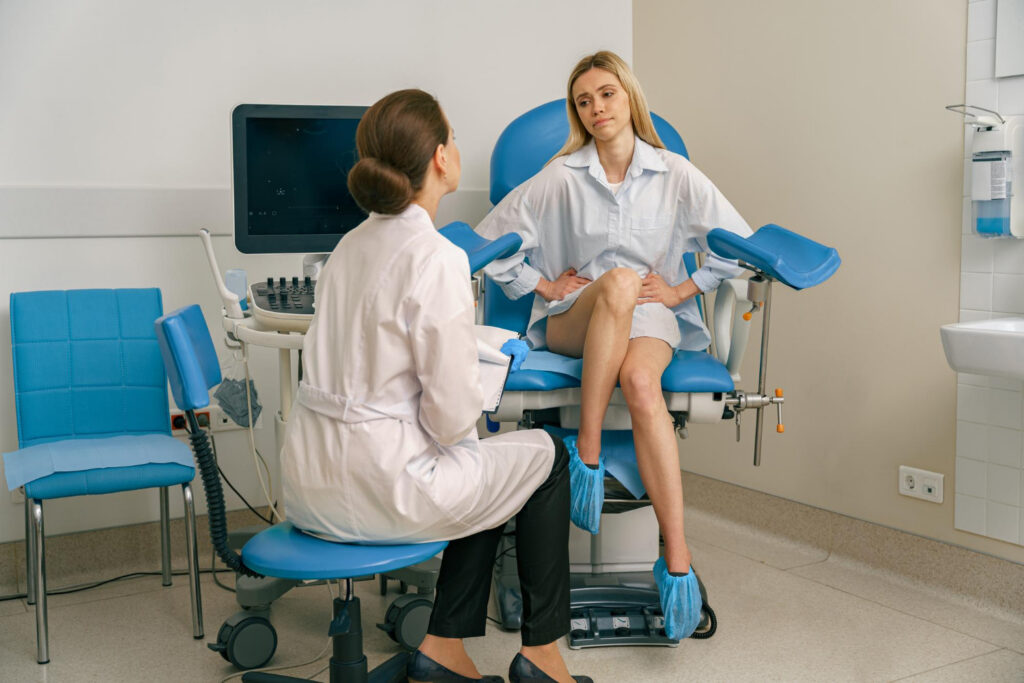
Your vulvar anatomy is evaluated in private during a consultation. The labia, clitoral hood, and perineum are assessed for size, shape, and symmetry. The surgeon at Gyneco Clinic will go over your functional and cosmetic problems and provide the best surgical methods. This guarantees that you comprehend the approach, anticipated results, and healing process.
Is Labia Majora or Minora Reduction Right for You? Next Steps
Whether your complaints are related to the inner labia, outer labia, or the entire vulvar region, a professional assessment is necessary to decide the best course of action. Creating a safe, efficient treatment plan that supports your objectives requires this assessment.
Schedule Your Confidential Consultation in Dubai
Consult an expert about your alternatives if you are thinking about having a labiaplasty or other vulvar rejuvenation procedures. When looking for the best labia reduction clinic in Dubai, Gyneco Clinic provides a private, consultant-led setting where your concerns can be discussed and your anatomy evaluated. The consultation can help clarify which approach may be suitable for your needs and objectives.
Conclusion
Which method best suits your particular practical or cosmetic issues will determine whether you choose labia majora or minora. Whether the condition is asymmetry, deflation, or hypertrophy, a good outcome depends on both the right surgical approach and a precise diagnosis. A consultation with a qualified surgeon at Gyneco Clinic is the next stage in developing a strategy that puts your comfort, safety, and intended outcomes first. Get in touch with us or request a callback for a private consultation to get started.
FAQs
How Is Volume Loss In The Labia Majora Typically Corrected?
Autologous fat grafting, or lipofilling, is the most popular treatment for volume deflation in the labia majora. To restore a fuller shape, a little quantity of fat from another location, such as the thighs or abdomen, is harvested, cleaned, and then carefully injected. Typically, a modest volume of purified fat is injected into each side, with the exact amount decided during your consultation.
What Specific Factors Determine Whether I Need A Labia Majora Or Minora Procedure?
Your particular anatomy and issues will determine whether you get a labia majora or minora treatment. Inner labia that extend noticeably beyond the outer labia are an indication of a labia minora reduction, which can lead to functional problems like chafing or unsatisfactory appearance. Procedures for the labia majora, on the other hand, deal with issues of deflation (volume loss) or drooping skin, which are frequently associated with ageing or notable weight fluctuations.
Can Childbirth Or Weight Loss Affect Both The Labia Majora And Minora?
Yes, both sets of labia can change in appearance due to important life events including childbirth and considerable weight swings. While significant weight loss can result in deflation and drooping of the fatty tissue inside the labia majora, childbirth can cause the labia minora to expand and become lax. In order to get a harmonised outcome, patients frequently choose a combination treatment to address these concurrent changes.
How Does Recovery Differ Between A Labia Minora Reduction And A Labia Majora Reduction?
The recovery details are different, even though all treatments have a comparable initial downtime of around one week away from work. The main issue following a labia minora reduction is oedema, which usually goes down considerably in two to four weeks when dissolvable sutures are utilised. Skin excision is required for a labia majora reduction, and although swelling may still occur, the incision line must be carefully managed to achieve the best possible scarring. Strenuous activity should be avoided for up to six weeks.
What Is The Difference Between The Inner And Outer Labia?
The labia majora are the outer, fleshier folds of tissue that contain fatty tissue and sweat glands. The inner, hairless folds that round the vaginal and urethral openings are called labia minora. Understanding these structures is crucial when thinking about operations affecting the vulvar anatomy because of the differences in their location, substance, and function.
What Is A Labia Majora Reduction?
A labia majora reduction involves surgically removing excess skin and underlying fat from the outer labia. It tackles issues with extra tissue, such as a bulky look or uncomfortable clothes. The process is not the same as augmentation, which uses fat grafting to replenish lost volume in the outer labia.
What Is Fat Grafting To The Labia Majora?
Fat grafting to the labia majora involves harvesting fat through liposuction from another area, such as the thighs or abdomen. To restore volume, the fat is cleaned and injected into the outer labia. When volume loss contributes to a flattened or slack look, this technique is employed for labia majora augmentation.
Can Labiaplasty Be Combined With Other Vulvar Procedures?
Yes, a labiaplasty might be combined with a clitoral hood reduction or perineoplasty. Perineoplasty treats laxity or scarring in the perineum, whereas clitoral hood reduction deals with extra tissue covering the clitoris. The patient's anatomy, functional issues, cosmetic goals, and the surgeon's evaluation all influence the best combination.
Why Is An Anatomical Examination Important Before Surgery?
An anatomical examination helps the surgeon assess the size, shape, and symmetry of the labia, clitoral hood, and perineum. It also offers a chance to talk about aesthetic and functional issues. The consultation at Gyneco Clinic supports a treatment plan customised to each patient's needs and aids in determining the best surgical techniques.