
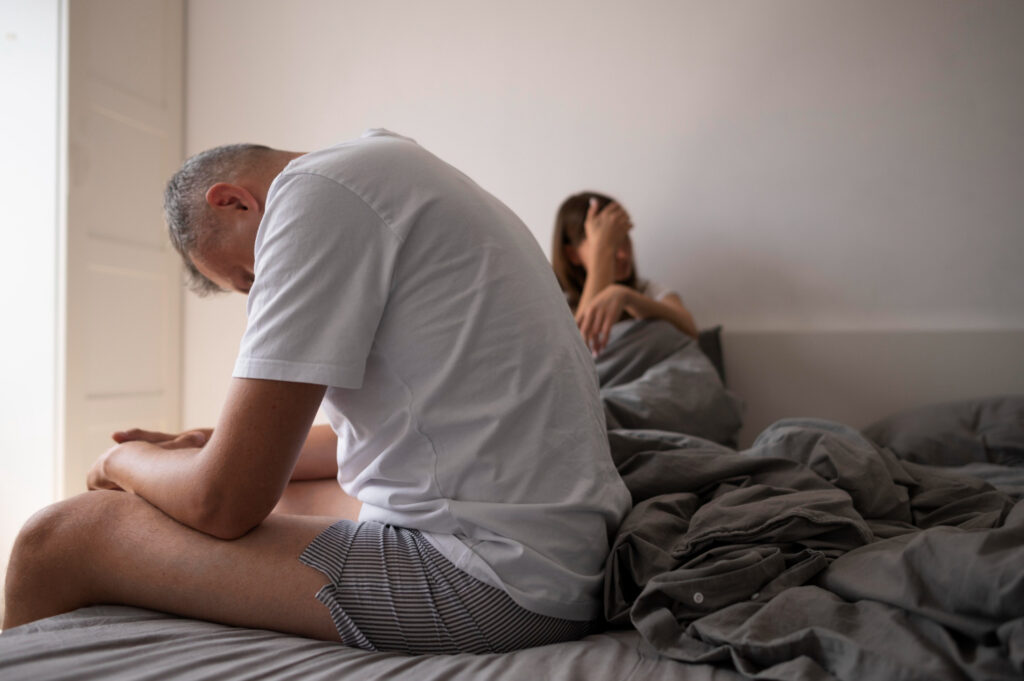
Painful Intercourse Treatment In Dubai can help women address discomfort during intimacy by identifying its underlying cause. Pain during sex, also known as dyspareunia, is a frequent but largely disregarded complaint among many women. It can affect the vagina, labia, clitoris, introitus (vaginal entrance), and deeper pelvic tissues. While occasional discomfort is fairly common, chronic pain indicates that something needs to be addressed. Dyspareunia Treatment In Dubai focuses on identifying whether the pain stems from physical, hormonal, or emotional causes, and building a personalized plan from there.
Painful Intercourse In Dubai is far more common than many women realize, and understanding its root cause is the first step toward lasting relief.
Physical Causes of Painful Intercourse
Vaginal Dryness
One of the most prevalent causes of sex-related discomfort is insufficient lubrication. It may result from:
- Natural hormonal fluctuations
- Medications that diminish vaginal lubrication (such as some antidepressants, allergy drugs, and birth control pills).
- Irritation from hygiene products (such as scented soaps, douches, and wipes)
Hormonal Changes
Hormones play an important role in vaginal health. As estrogen and androgen levels fluctuate, vaginal tissues might shrink and dry, causing pain.
- Perimenopause and Menopause – A decrease in estrogen levels promotes vaginal dryness and weakening of the vaginal walls, making intercourse more uncomfortable.
- Low Androgens – Androgens, particularly testosterone, help to keep vaginal tissue healthy. Low amounts might cause discomfort at the vaginal entrance (introitus).
Infections
Any infection in the vaginal or pelvic area might cause discomfort during sex. Common culprits include:
- Yeast infections can cause itching, burning, and irritation.
- Bacterial vaginosis can cause discomfort and an unpleasant odor.
- Sexually transmitted diseases (STIs), including chlamydia and gonorrhea, can cause discomfort and inflammation.
Endometriosis
Endometriosis occurs when tissue comparable to the uterine lining develops outside of the uterus. Some signs are:
- Pelvic discomfort, particularly during menstruation.
- Painful intercourse.
- Heavy or irregular menstruation
- Painful bowel motions or urination during menstruation
Pelvic Inflammatory Disorder (PID)
PID is an infection that affects the female reproductive organs. Symptoms include:
- Lower abdomen and pelvic discomfort.
- Painful intercourse.
- Abnormal vaginal discharge with unpleasant odor.
- irregular menstrual bleeding
- Fever and chills (severe instances)
Psychological and Emotional Causes of Painful Intercourse
Anxiety and Stress
The mind and body are inextricably linked, and stress may have a significant influence on sexual health.
- Vaginal Dryness: Stress lowers blood flow to the vaginal region, resulting in diminished lubrication.
- Muscle Tension: Anxiety can tense the pelvic floor muscles, making penetration unpleasant.
- Pain Anticipation: If intercourse has been unpleasant in the past, dread of pain can trigger a cycle of worry and tension, exacerbating the agony.
Relationship Issues
Emotional detachment, unsolved tensions, or a lack of trust in a relationship can all lead to physical pain during intercourse.
Past Trauma or Sexual Abuse
Women who have experienced sexual trauma may feel pain owing to mental anxiety, reflexive muscular tightness, or psychological triggers. If this is the case, working with a trauma-informed therapist can be an important step toward recovery.
What You Can Do
If painful intercourse negatively affects your quality of life, determining the underlying cause is the first step toward recovery. Keeping a log of times you experience pain—whether it’s during initial penetration or deep penetration, before or after your period—can help you discover trends. Take note of any other symptoms, such as dryness, atypical discharge, or pelvic discomfort, and evaluate whether emotional reasons like stress, prior trauma, or relationship troubles are to blame.
Vaginal Pain Treatment In Dubai often starts with improving vaginal hydration and addressing the hormonal imbalances that contribute to discomfort. Lubricants or vaginal moisturizers give longer-lasting moisture and can be used on a daily basis, even when not in intimate situations.
Hormonal imbalances, particularly those associated with menopause, perimenopause, or postpartum changes, can cause vaginal dryness and pain. For women who have more severe symptoms, bioidentical hormone treatment may be an option to explore with a doctor. Managing chronic stress and maintaining blood sugar levels are particularly crucial since they affect hormone balance and vaginal health.
If pelvic floor dysfunction is a contributing problem, simple stretching and relaxation techniques might help relieve stress. Deep belly breathing, as well as yoga practices like Child’s Pose and Happy Baby, help to relax the pelvis. Working with a pelvic floor physiotherapist may be life-changing for patients suffering from chronic muscular stiffness or spasms (such as vaginismus). A skilled expert may walk you through exercises to relieve tension, increase muscular flexibility, and retrain the pelvic floor for painless intimacy.
Since psychological and emotional elements can have a substantial impact on sexual discomfort, emphasizing mental well-being is critical. Before intimacy, practice mindfulness and relaxation techniques such as deep breathing, meditation, or taking a warm bath to relieve physical tension. If prior trauma is causing painful intercourse, consulting with a therapist specializing in sexual health or trauma-informed treatment can be a significant step toward healing. Open communication with your partner is also crucial; addressing what feels good and what doesn’t, as well as taking things slowly with more foreplay, may help make intimacy more comfortable and joyful.
Another critical step in dealing with painful intercourse is to rule out infections and medical disorders. If you have itching, burning, odd discharge, or an unpleasant odor, you should get checked for yeast infections, bacterial vaginosis, or sexually transmitted illnesses. For people experiencing persistent pelvic discomfort, difficult periods, or severe pain during sex, it’s recommended to consult a healthcare provider about illnesses such as endometriosis or pelvic inflammatory disease to identify the best course of therapy.
You Deserve a Pain-Free, Fulfilling Intimate Life
Painful intercourse is not something you must accept as normal. Relief is attainable by recognizing the underlying cause and finding appropriate help. If you have dyspareunia, experts recommend seeking tailored care. Gyneco Clinic can work with you to identify solutions that will make you feel more comfortable and confident in your body.
Book an Appointment with Gyneco Clinic, the Best Painful Intercourse Clinic In Dubai to discuss concerns related to painful intimacy in a private and supportive setting. A consultation can help you understand possible contributing factors and explore appropriate next steps based on your symptoms. Painful Intercourse Recovery In Dubai is possible when the right combination of medical guidance, lifestyle changes, and emotional support comes together. Take the first step toward understanding your concerns and finding suitable support.
FAQs
Can Emotional Stress Influence Physical Discomfort During Intimacy?
Yes, emotional stress can affect the body in ways that may make intimacy uncomfortable. Anxiety can cause reflexive pelvic muscle tightness and decreased lubrication, while prior bad experiences might instill fear of experiencing pain again. Addressing mental well-being, practicing relaxation methods, and openly addressing problems with a partner may contribute to a more comfortable encounter.
When Should Persistent Intimate Discomfort Be Medically Evaluated?
Persistent or recurring discomfort should be discussed with a healthcare professional, particularly when it occurs alongside unusual discharge, burning, itching, pelvic discomfort, irregular bleeding, difficult periods, or significant pain. Medical evaluations can aid in the identification of infections, hormonal changes, and other underlying disorders, as well as determining whether more testing or specialist care is necessary for the unique scenario.
How Can Women Keep Track Of Symptoms Before A Medical Consultation?
Keeping a simple record can provide useful information about patterns. Take note of whether the discomfort is caused by initial or deeper penetration, and if it occurs before or after menstruation. Recording dryness, discharge, pelvic pain, and other symptoms can also be beneficial. Emotional variables, such as stress or relationship problems, should be considered when they appear to be associated with symptoms.
What Approaches May Help Relax Pelvic Floor Muscles?
Gentle stretching and relaxation practices may help reduce pelvic tension for some women. Deep abdominal breathing and yoga poses like Child's Pose and Happy Baby can help you relax. Women who have persistent muscular tightness or spasms may benefit from working with a pelvic floor physiotherapist, who may prescribe tailored exercises to reduce tension and improve muscle flexibility.