
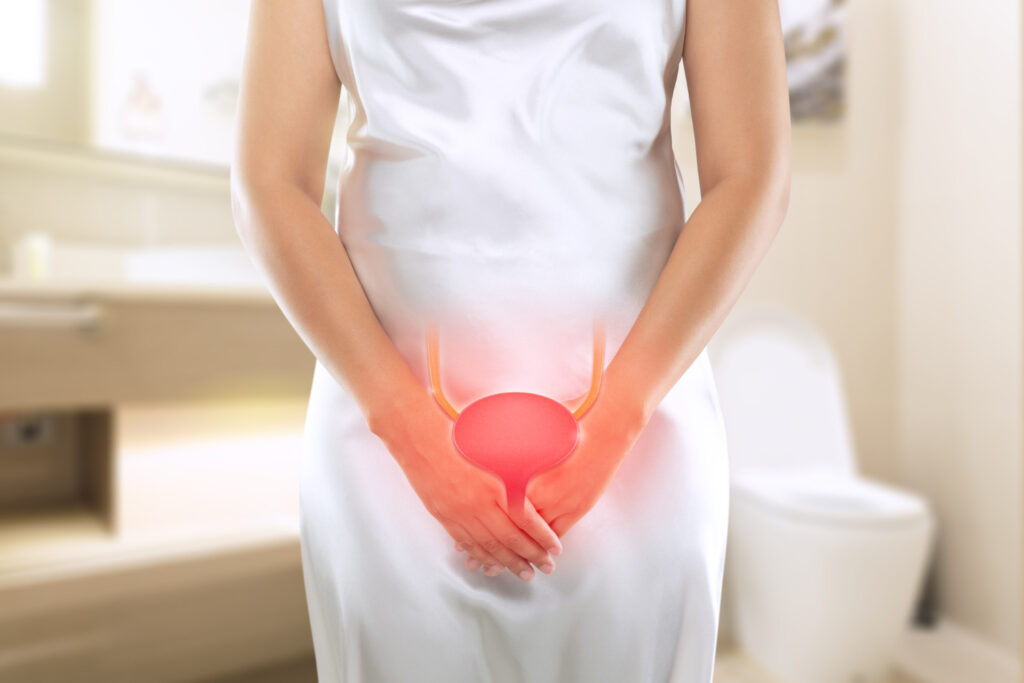
Many people initially become aware of bladder leakage in everyday situations, such as while walking, exercising, or hurrying out the door. Over time, it might alter your daily schedule, even though it usually begins modestly. It’s crucial to understand that you can’t “just live with” urinary incontinence. There are simple, efficient ways to handle urinary incontinence in Dubai with the appropriate assessment.
Since therapy is most effective when it is tailored to the kind of incontinence you experience, we at Gyneco Clinic in Dubai concentrate on determining the origin of leaking.
Types of Urinary Incontinence
In general, there are three types of urinary incontinence. Seeking professional urinary incontinence treatment in Dubai starts with identifying which one affects you:
- Stress urinary incontinence: Urinary leakage with physical pressure, such as coughing, lifting, or exercise, is known as stress urinary incontinence.
- Urge incontinence (overactive bladder): Overactive bladder, or urge incontinence, is characterized by uncontrollably strong cravings to pee.
- Mixed incontinence: Stress and urge feelings combined to cause mixed incontinence
Treatment strategies for urine incontinence vary depending on the kind.
First-Line Urinary Incontinence Treatment Options
The majority of patients start with conservative treatment intended to lessen triggers and enhance bladder control. Effective bladder control treatment in Dubai often includes the following:
- Keeping a bladder journal to spot trends, routines, and irritants
- Changes in lifestyle include cutting back on coffee, timing fluid intake, managing constipation, and supporting weight loss
- The muscles that support the bladder can be strengthened with pelvic floor exercises and pelvic floor treatment.
- Retraining the frequency and urgency of bladder signals through scheduled voiding and bladder training
These actions are frequently quite successful and pose little danger.
Additional Options When Urinary Incontinence Symptoms Persist
The following therapies might be used if conservative management is insufficient to relieve the condition. Advanced urinary leakage treatment in Dubai can address more persistent symptoms through:
- Drugs for hyperactive bladder and urge incontinence
- Specialized urogynecology care provides non-surgical in-office treatments.
Your healthcare professional will assist you in deciding which solutions are best for your objectives and symptoms.
Get Expert Guidance For Urinary Incontinence Treatment
Medical treatment is necessary for bladder leaks, not speculation. Consulting the best urinary incontinence doctor in Dubai can help you understand your diagnosis and pave the way for significant progress.
A targeted assessment at the best urinary incontinence clinic in Dubai ensures you receive a personalized care plan. Make an appointment with our Gyneco clinic in Dubai right now to find out more about treating urinary incontinence. Focusing on your long-term health will ensure a smooth urinary incontinence recovery in Dubai and help you regain your confidence in everyday activities.
FAQs
What are the main types of urinary incontinence?
There are three common types: stress incontinence, urge incontinence, and mixed incontinence. Stress incontinence occurs during physical pressure, while urge incontinence involves sudden, strong urges to urinate. Mixed incontinence is a combination of both. Each type requires a different treatment approach for best results.
Can urinary incontinence be treated without surgery?
Yes, many cases can be managed with non-surgical treatments. Options include pelvic floor exercises, bladder training, and lifestyle changes like reducing caffeine intake. Keeping a bladder diary can also help identify triggers. These first-line treatments are often effective and carry minimal risk.
When should you seek medical help for bladder leakage?
You should consult a healthcare provider if bladder leakage affects your daily routine or becomes frequent. Early evaluation helps determine the type and severity of incontinence. Timely treatment can prevent symptoms from worsening. Professional guidance ensures a tailored and effective care plan.
What happens if initial treatments for urinary incontinence don’t work?
If conservative treatments are not effective, additional options like medications or specialized in-office procedures may be recommended. These treatments target specific symptoms and improve bladder control. Your healthcare provider will guide you based on your condition. The goal is to achieve long-term symptom relief safely.