
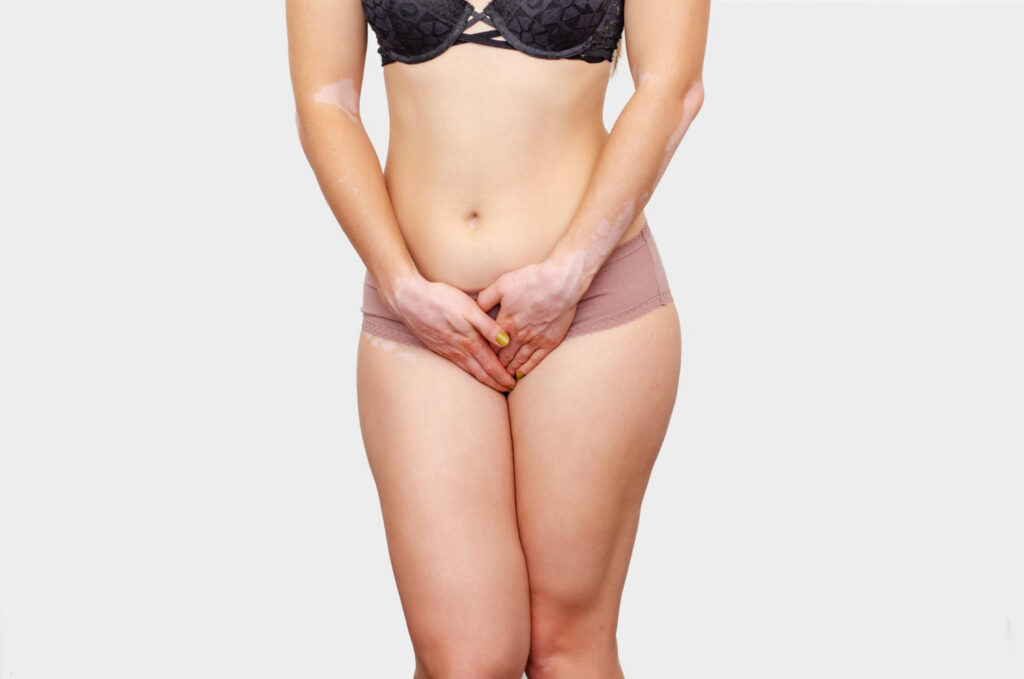
Labiaplasty can greatly enhance the appearance of the labia and is a potentially life-altering procedure. Women may decide to get a labiaplasty for a number of reasons, including as to reduce discomfort or enhance the labia’s look. Either way, the process may greatly enhance emotional health and self-confidence.
Women can notice the benefits of labiaplasty immediately following the treatment, but complete healing and the ultimate outcome will take time to manifest. Following a labiaplasty, like with any surgical treatment, a period of recovery is necessary to provide the best possible healing. Each woman will recover from labiaplasty in a different way. Don’t worry if you are thinking about getting a Labiaplasty In Dubai but are worried about how you will recuperate. Here is a recovery timeframe for labiaplasty that you might think about. We’ll also go over some advice to help you recuperate as comfortably as possible.
Why have a labiaplasty?
Technically speaking, labia reduction surgery is a cosmetic operation that has both practical and aesthetic advantages:
Improve cosmetic appearance
Many women choose to get a labiaplasty in order to make their vagina look more symmetrical and “neater.” Childbirth is one of the many reasons why the labia minora might expand. Many women enjoy the ‘tucked-in’ look that a labiaplasty produces, which is why many patients search for Vaginal Rejuvenation Dubai treatments to restore a more youthful and comfortable appearance.
Relieve pain and discomfort
Pain and discomfort may result from the labia minora, the extra tissue of the inner vaginal folds. The extra labial skin pressing against clothes is what causes the pain. This implies that wearing tight clothes, engaging in sexual activity, and even wearing underwear might cause pain. By eliminating the extra skin, a labiaplasty can reduce these symptoms.
What are the causes of large labia?
Although labial hypertrophy, or swollen labia, is often benign, it can occasionally be painful and uncomfortable. The outer and inner vaginal folds, the labia majora and minora, respectively, may be affected by the enlargement. This may occur for a number of reasons:
- Some women are born with the condition
- Puberty-related increases in estrogen and other hormone levels
- These alterations may result during pregnancy and delivery.
What does labiaplasty recovery involve?
Although recovery timeframes might differ from patient to patient, we describe an average patient’s usual healing procedure below.
Day one
Swelling will appear immediately following a labiaplasty treatment. Because the labia minora and labia majora are extremely vascular tissues, the surgical site will see an increase in blood flow and regenerating cells following the treatment. Swelling may result from increased blood flow, which is the body’s normal reaction to the healing process. To lessen swelling and ease discomfort, we advise applying a cold compress for up to 15 minutes at a time. The cold compress should not be used for longer than 15 minutes at a time because this might irritate your skin. The anesthesia will cause your genitalia to feel numb for a few hours after the surgery. Swelling and other post-surgical side effects may cause some pain and discomfort once the anesthesia wears off. However, painkillers can be used to treat them.
Week one
During the first week after labiaplasty, swelling will continue. As the wounds start to heal, any swelling will eventually subside. The Best Labiaplasty Doctor In Dubai at Gyneco Clinic might recommend a topical treatment to lessen swelling and bruises. When applying this product, you should pay particular attention to the surgical site and follow the directions. During the first week, side effects and discomfort will progressively go away, frequently to the point where you won’t require painkillers. Many women are able to engage in light physical activities and stroll on a daily basis. As the wounds heal, there can still be bruising, swelling, and itching.
All labia reduction treatments are performed by our surgeons using dissolvable sutures, which leave very little scars. It is usually advised to avoid making too much touch with the region or exerting too much pressure to the suture line.
Passing water might cause a little stinging sensation. To lessen stinging and dilute the pee, we advise misting water onto the surgery site. Urine may somewhat irritate the wounds since it is inherently acidic. Drink plenty of water throughout the post-labiaplasty healing period to lessen stinging.
Week two
Most women feel well enough to resume their jobs within the second week of recuperation. To lower the likelihood of wound-healing issues, women in more physically demanding jobs would need to take an additional week off. It would be ideal if you kept taking your medications as suggested by your surgeon. The region may still be slightly sensitive to pressure, but the discomfort is now considerably more tolerable. Itching in the region is frequently a symptom of healing. With the right care and hygiene, this is readily manageable.
During the recovery phase, make sure you stay away from high-impact activities and consume lots of water. At this point, side effects ought to have significantly decreased. Nevertheless, patients should refrain from using tampons, having sex, and engaging in any other activity that might stretch their labia.
Week six
At six weeks, your surgeon will assess you since you are nearing the end of your recovery. Our postoperative nurses at Gyneco Clinic will keep an eye on your Labiaplasty Recovery Dubai and offer suggestions depending on your requirements and preferences.
The majority of ladies will be fully healed by week six. Patients should anticipate resuming all activities. This comprises:
- Sexual activity
- Using tampons
- Strenuous physical activity
As the incisions heal and the labia minora resume their usual appearance, the final effects become more apparent. By now, the swelling should be almost all gone.
Minimal wound healing time and a very low risk of infection make recovery from labiaplasty straightforward for most patients. Most of the time, recovery goes smoothly. Following your surgeon’s postoperative instructions exactly is essential to getting the greatest labiaplasty outcomes. If you have any concerns, please contact our postoperative nursing staff at Gyneco Clinic right away.
How to have the best labiaplasty recovery
A thorough and customized aftercare plan will be provided by your expert surgeon at our Gyneco Clinic prior to your procedure. Nonetheless, the following advice will aid in any patient’s recuperation after a labiaplasty.
Cold compress
Patients should apply a cold compress to the region for the first 48 hours to reduce edema. Crushed ice in zip-lock bags can be used as a basic cold compress. Cover the compress with a small cloth or undergarments to prevent harm from extremely cold temperatures.
Keep the area elevated as much as you can
For the first several days after the treatment, patients are advised to keep their pelvis as elevated as possible. This can be accomplished by lying down with a pillow under the pelvis or by utilizing a chair. Because gravity pushes extra fluid away from the region, this posture helps to minimize swelling.
Wear loose cotton clothing
Following the labiaplasty treatment, patients must wear loose-fitting clothes and underwear for at least 72 hours. Tight clothes can increase pain by creating friction.
Refrain from sexual intercourse for a full six weeks
After six weeks, your surgeon will probably give the all-clear to resume all activities, including sexual activity. Until the incisions have completely healed, sexual activity that puts pressure and strain on the vagina should be avoided.
Make hygiene a priority number one
Surgical incision cleanliness must be given top priority in order to prevent infection and encourage full healing. You will receive comprehensive instructions on what to do from your surgeon. However, some standard advice is as follows:
- Apply the paraffin cream as directed.
- To reduce friction, cover the region with soft sanitary towels.
- For the first 48 hours, stay away from the bath and/or shower.
Is labiaplasty painful?
A labiaplasty is often performed by cosmetic surgeons under local anesthesia; however, general anesthesia can be scheduled if you would like. There won’t be any discomfort during the process either way. However, after the anesthesia wears off, there will be some pain, mostly due to swelling. To help with this, your surgeon will prescribe painkillers.
What complications can develop after labiaplasty surgery?
This kind of treatment eliminates extra, superfluous skin. As a result, the treatment does not harm any nerves when done correctly. All sensations will return to the region after a full recovery. Nerve injury is quite uncommon, although it can happen (much as with practically any other treatment). During your appointment at Gyneco Clinic, our surgeon will go over any potential dangers, no matter how remote.
Why have Labiaplasty in Dubai?
Excess tissue in the most intimate locations can cause unease and pain for many women. Nor is it only an aesthetic issue. Many women’s quality of life can be enhanced by labiaplasty, which can reduce pain and discomfort. Many patients reviewing Labiaplasty Before And After Dubai results at Gyneco Clinic feel more confident about the procedure once they see the natural-looking outcomes other women have achieved.
Why Choose Gyneco Clinic for Your Labiaplasty?
You want to be under the care of knowledgeable, reliable, and caring experts while having a sensitive treatment like labiaplasty. The Gyneco Clinic has established itself as a preeminent authority in plastic surgery, especially gynecological treatments.
Expertise & Patient-Centric Care
Our team of highly skilled surgeons prioritizes patient-centered treatment. From the first consultation to the follow-up after surgery, you are a person with specific requirements and concerns, not simply another case. We provide individualized treatment programs made to fit your objectives, guaranteeing that you will be happy with the outcome.
Dedicated Surgical Centre
We operate in a specialized surgical center built especially for gynecological treatments, which helps us control expenses and deliver excellent care. For your consultations and follow-up appointments, our Gyneco Clinic provides a confidential and cozy setting.
Book Your Consultation
Book your consultation today at Best Labiaplasty Clinic Dubai, Gyneco Clinic to discuss your concerns, healing expectations, and personal goals with a caring specialist. A private assessment can help you understand whether the procedure is suitable for your needs and what recovery may involve. You can ask questions, review aftercare instructions, and feel more confident before planning the next step, with comfort, safety, and peace of mind.
FAQs
When Can Daily Movement Become Comfortable Again?
Light walking is usually possible within the first week, depending on comfort and your surgeon’s advice. If their jobs are not physically demanding, many women return to work in the second week. Stretching exercises, vigorous exercise, and sexual activity should be avoided until the region has entirely and correctly healed.
What Clothing Is Better During Healing?
Loose cotton clothing and soft underwear are usually recommended during the early healing stage. Tight clothing can exacerbate discomfort, rub against the treated region, and put strain on fragile sutures. Wearing breathable clothing promotes comfort and lessens discomfort as swelling and sensitivity progressively go down at home following the surgery.
Why Is Intimate Hygiene Important After Surgery?
During the healing process, cleanliness helps shield the treated area from discomfort and potential infection. Better recovery can be facilitated by gentle washing, using soft sanitary towels, and according to the surgeon's recommendations. Particularly in the initial days following treatment and at-home care, patients should steer clear of needless friction, harsh chemicals, and bathing too soon.
What Signs Should Be Discussed With The Surgeon?
Talk to the surgeon or nursing staff about any unusual discomfort, growing swelling, bleeding, discharge, fever, or worries regarding wound healing. Itching and mild discomfort may be common, but changes that seem extreme or unanticipated require expert guidance to ensure that recovery is safe and well-managed throughout.